


 English
 簡(jiǎn)體中文
Submit feedback

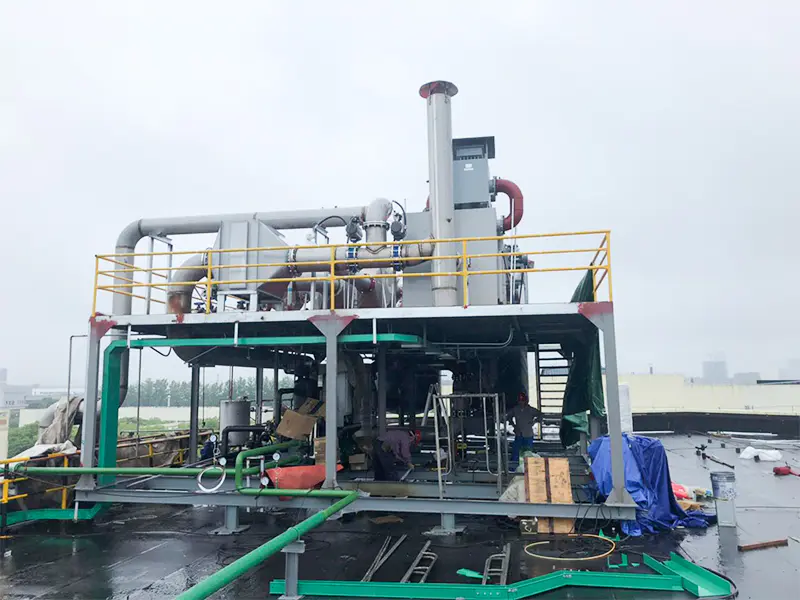
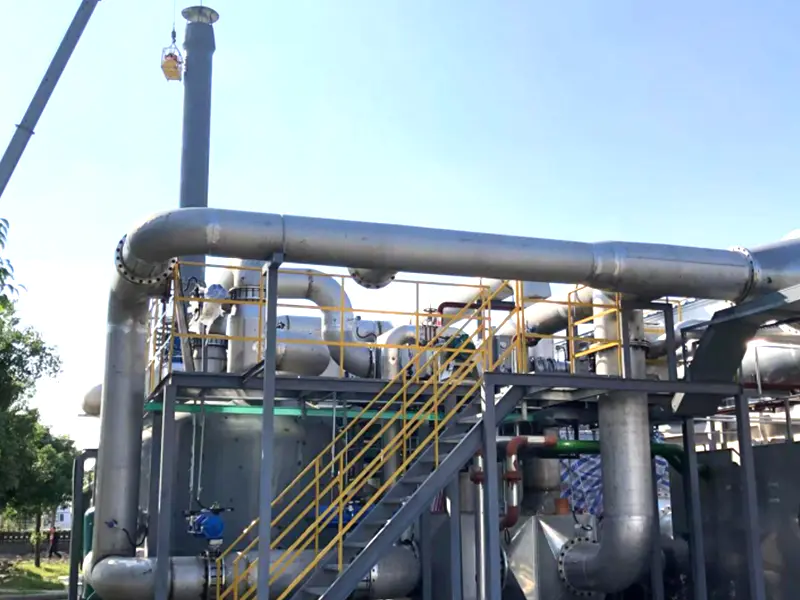
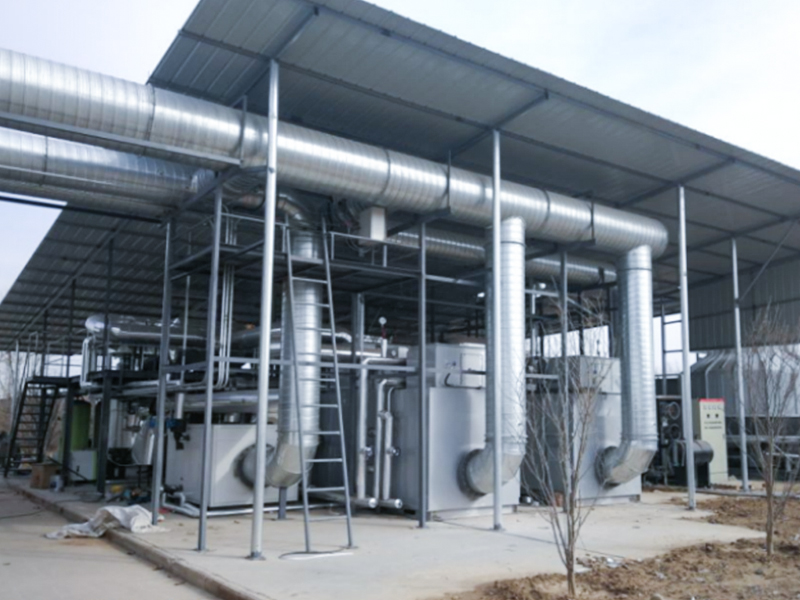
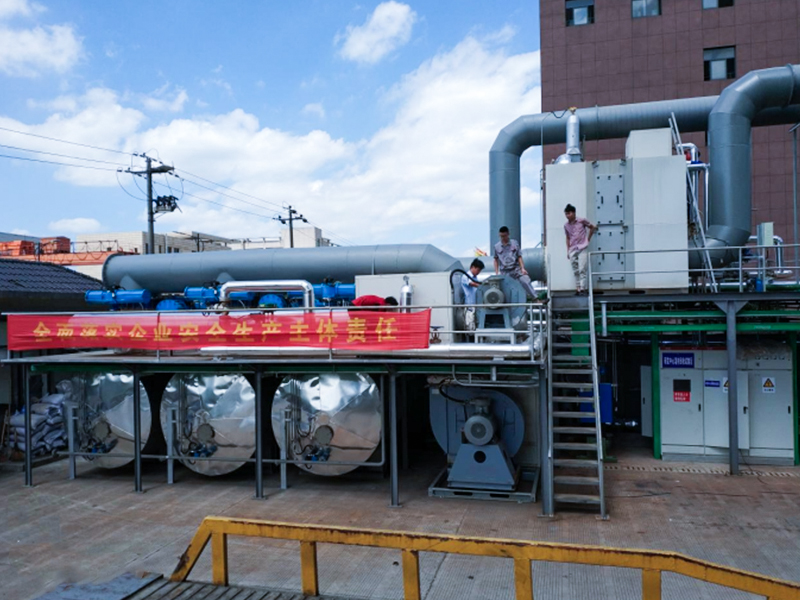
Packaging VOC Organic Waste Gas Treatment Suppliers
Company Honors
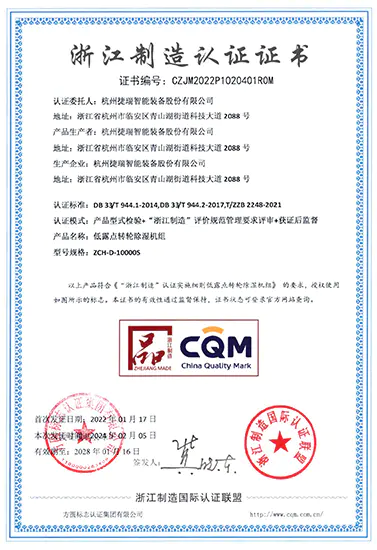
Zhejiang manufacturing certificate
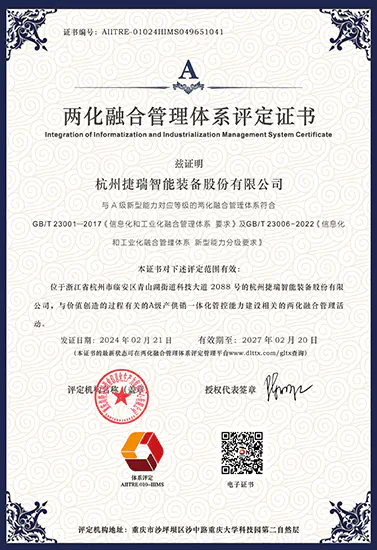
Certificate of Integration of Informatization and Industrialization
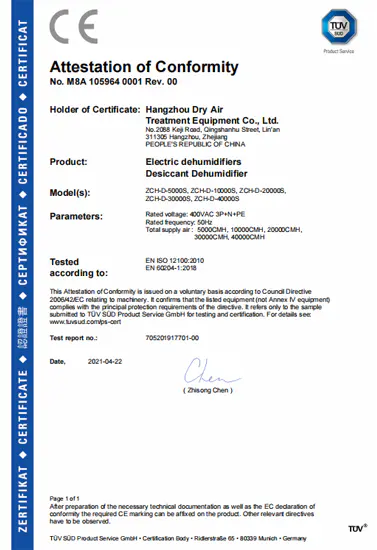
CE Certificate
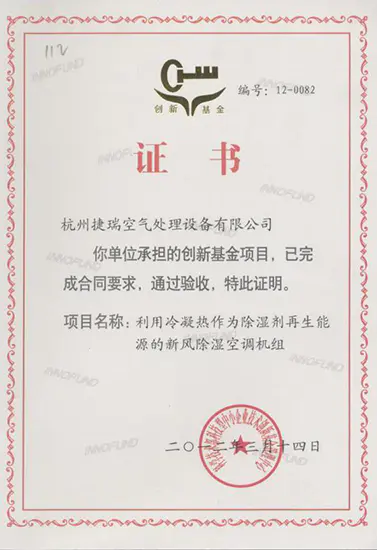
Innovation Fund
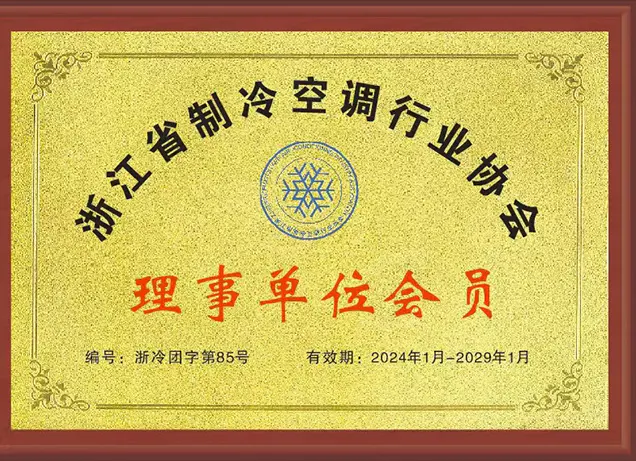
Refrigeration and air conditioning industry governing unit

Specialized and Specialized
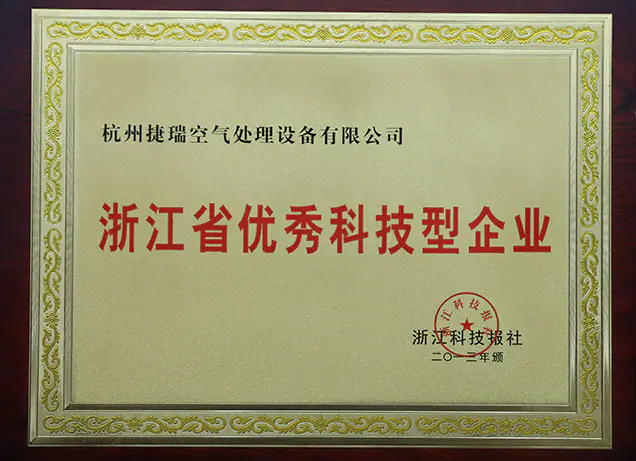
Excellent Science and Technology Enterprise of Zhejiang Province
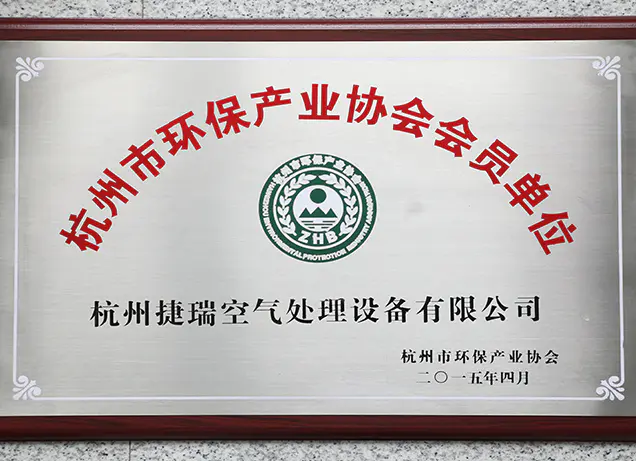
Member of Hangzhou Environmental Protection Industry Association
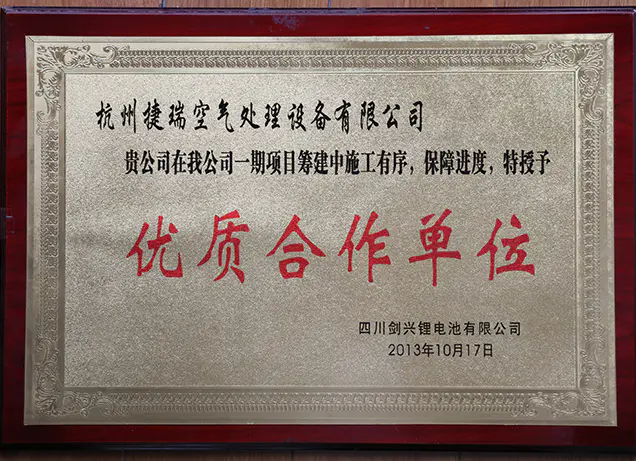
Excellent cooperation unit
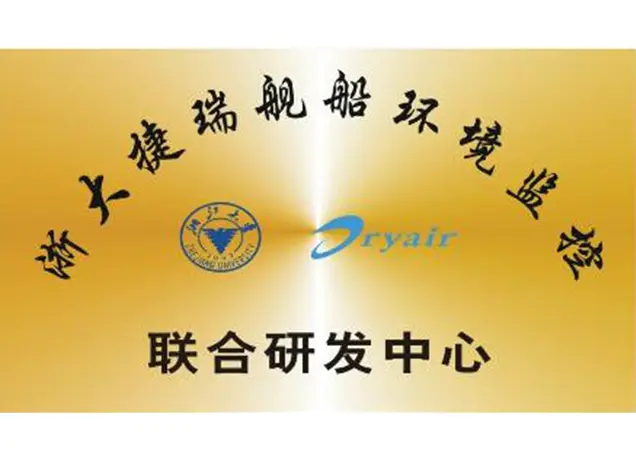
ZJU Cooperation
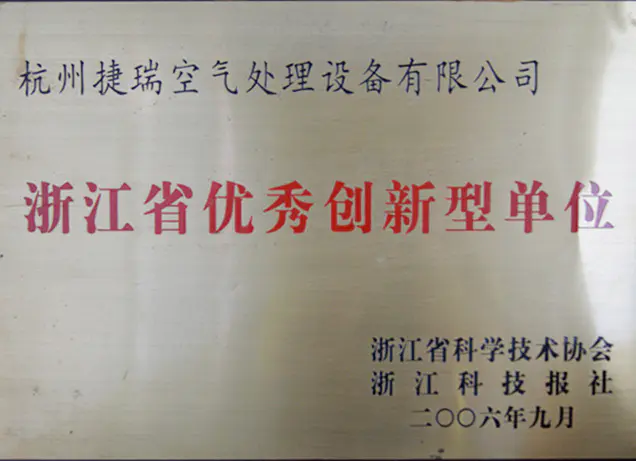
Outstanding Innovation Unit
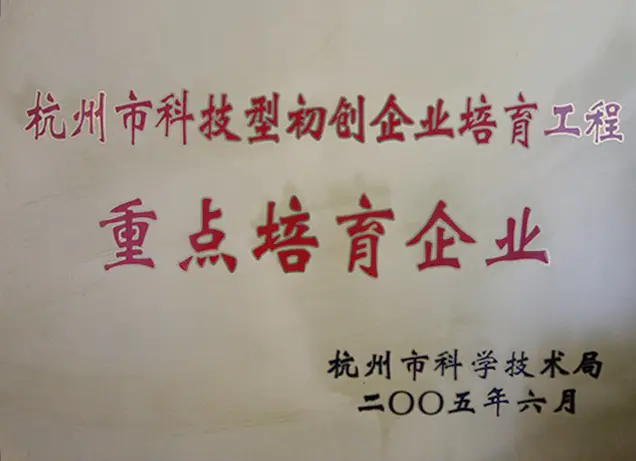
Key Incubatees

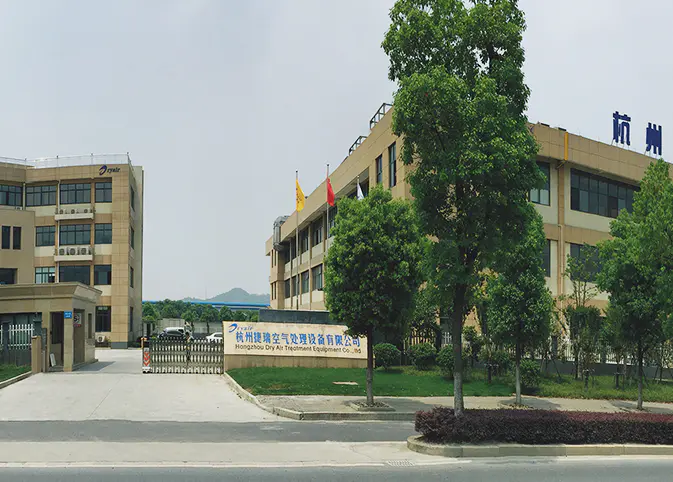

-
Why Pharmaceutical Dehumidification Dry Rooms Are Essential for High-Precision Drug Manufacturing
In modern pharmaceutical production, humidity control is critical. Pharmaceutical dehumidification dry rooms?are indispensable for handling moisture-sensitive materials such as API...
2025-12-02 -
Innovative VOC Waste Gas Treatment Solutions for Cleaner Industrial Operations
VOCs remain one of the most serious environmental challenges in industrial production. Whether in petrochemical plants, coating lines, printing plants, or pharmaceutical workshops,...
2025-11-24 -
Achieving Ultra-Dry Environments with Advanced Low Dew Point Desiccant Dehumidifiers
In industries where product quality, safety, and reliability are highly dependent on environmental stability, maintaining ultra-low humidity has become a critical requirement. Adva...
2025-11-18 -
Humidity Control in Lithium Battery Dry Rooms: The Key to Longer Battery Life
As global markets continue to grow for electric vehicles, energy storage systems, and portable electronics, the quality and safety of lithium battery production are more important ...
2025-11-11 -
Enhancing Paint Quality with Advanced Automotive Coating Dry Room Systems
In modern automotive manufacturing, achieving a flawless, glossy finish is not just about aesthetics, but also about performance, durability, and brand reputation. From paint compo...
2025-11-04
 View All
The Benefits of Packaging VOC Organic Waste Gas Treatment
Packaging volatile organic compound (VOC) organic waste gas treatment has several benefits, including:
Reducing Air Pollution: VOCs are a major contributor to air pollution and can have harmful effects on human health and the environment. Packaging VOC organic waste gas treatment can help reduce air pollution by effectively removing these harmful compounds from the air before they are released into the atmosphere.
Compliance with Regulations: Many countries have strict regulations regarding VOC emissions from industrial processes. Packaging VOC organic waste gas treatment can help businesses comply with these regulations and avoid costly fines and legal action.
Improved Workplace Safety: VOCs can be hazardous to workers who are exposed to them for extended periods. By treating VOC emissions, businesses can improve workplace safety and protect their employees' health.
Cost Savings: Implementing packaging VOC organic waste gas treatment can help businesses save money in the long run. By reducing VOC emissions, businesses can avoid costly fines and legal action, and by using recycled solvents, they can reduce the cost of purchasing new solvents.
Environmental Protection: Reducing VOC emissions helps protect the environment by reducing air pollution and minimizing the release of harmful compounds into the soil and water.
Overall, packaging VOC organic waste gas treatment is an effective way for businesses to reduce their environmental impact, improve workplace safety, comply with regulations, and save money.
The role of Packaging VOC Organic Waste Gas Treatment
Packaging VOC (Volatile Organic Compounds) organic waste gas treatment plays a crucial role in mitigating the harmful environmental impact of industrial activities. VOCs are emitted during the production and processing of various products, including packaging materials. These VOCs can have negative impacts on both human health and the environment, including contributing to the formation of smog and ozone.
The packaging industry produces significant amounts of VOCs from the use of solvents, adhesives, and coatings in their processes. These emissions can be reduced through the implementation of effective organic waste gas treatment technologies, which capture and treat the VOCs before they are released into the atmosphere.
There are various organic waste gas treatment technologies available for treating VOCs, including thermal oxidation, adsorption, and biofiltration. Thermal oxidation involves the use of high temperatures to break down the VOCs into carbon dioxide and water. Adsorption involves the use of materials such as activated carbon to adsorb and trap the VOCs. Biofiltration uses microorganisms to biodegrade the VOCs.
Effective packaging VOC organic waste gas treatment can help to reduce the environmental impact of industrial activities while also ensuring compliance with regulatory requirements. By implementing these technologies, the packaging industry can play a significant role in promoting sustainable development and reducing the negative impact of their operations on the environment.
