


 English
 簡(jiǎn)體中文
Submit feedback

Material Coating Film Waste Gas Treatment Suppliers
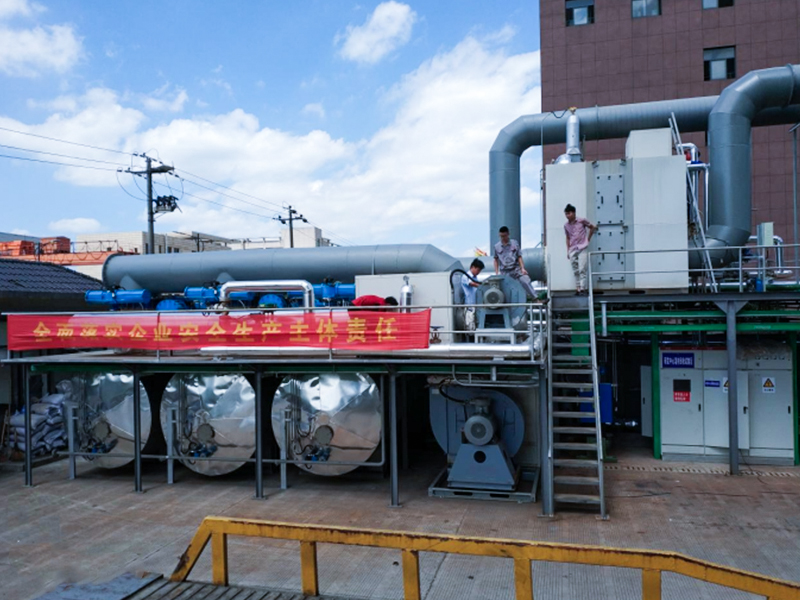
Company Honors
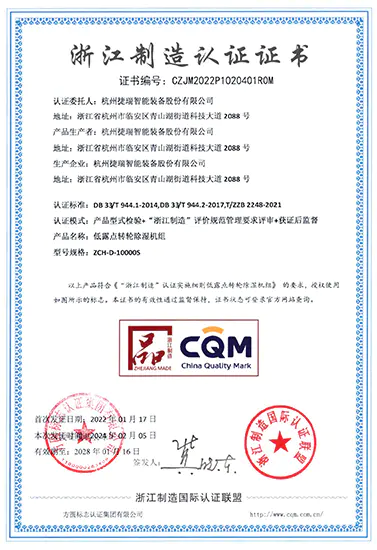
Zhejiang manufacturing certificate
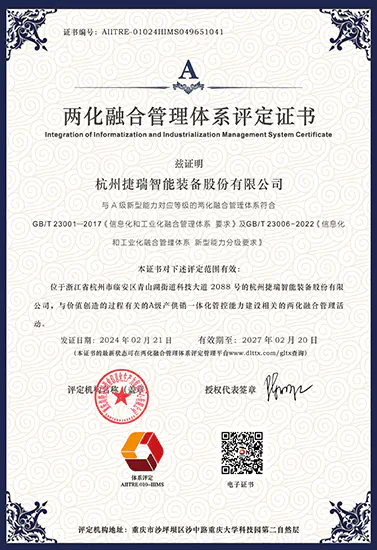
Certificate of Integration of Informatization and Industrialization
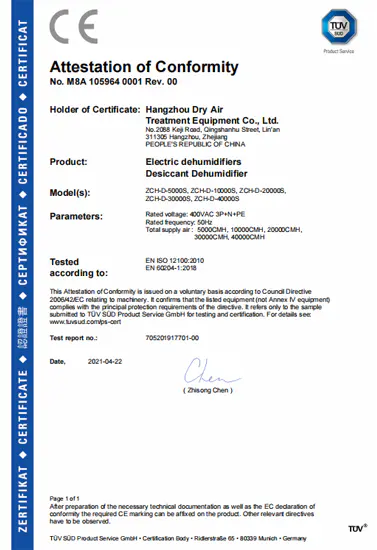
CE Certificate
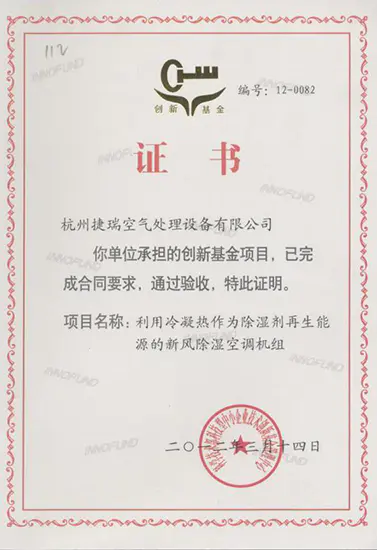
Innovation Fund
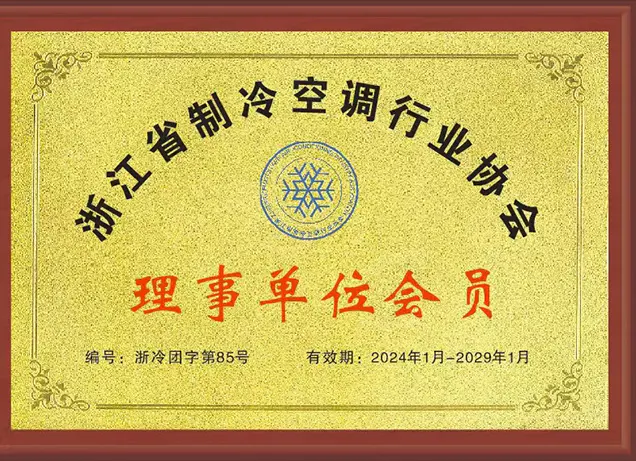
Refrigeration and air conditioning industry governing unit

Specialized and Specialized
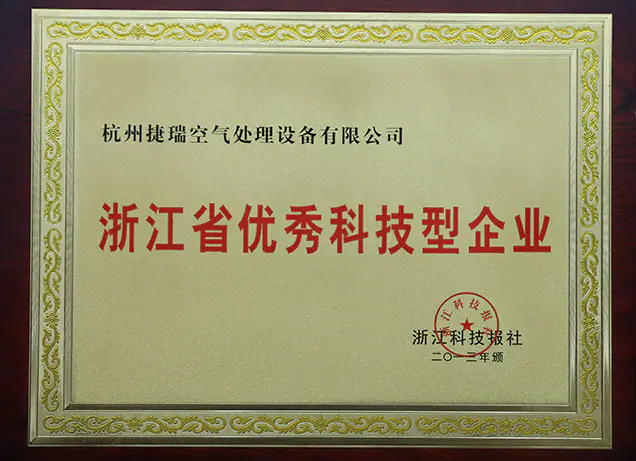
Excellent Science and Technology Enterprise of Zhejiang Province
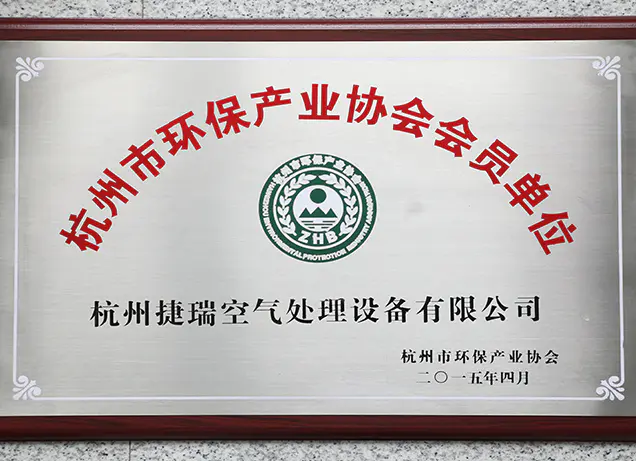
Member of Hangzhou Environmental Protection Industry Association
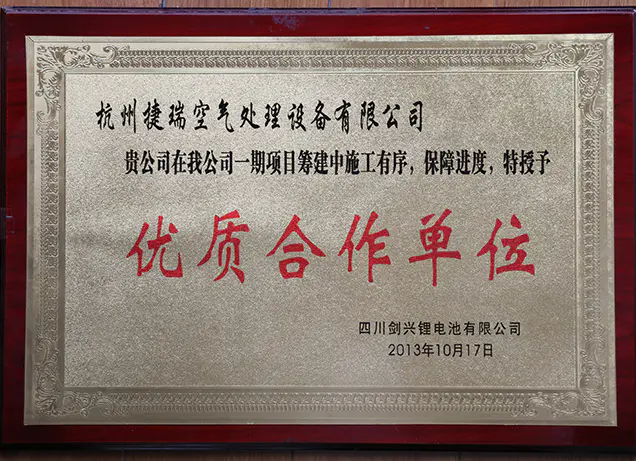
Excellent cooperation unit
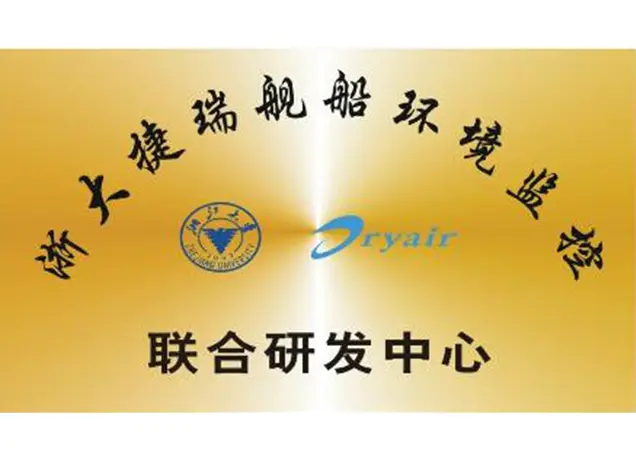
ZJU Cooperation
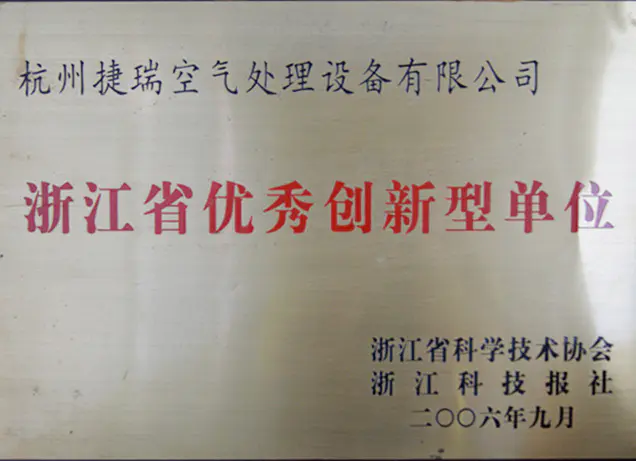
Outstanding Innovation Unit
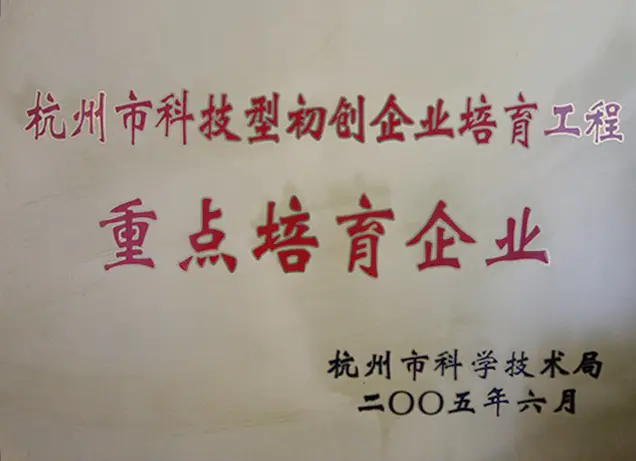
Key Incubatees


-
Why Pharmaceutical Dehumidification Dry Rooms Are Essential for High-Precision Drug Manufacturing
In modern pharmaceutical production, humidity control is critical. Pharmaceutical dehumidification dry rooms?are indispensable for handling moisture-sensitive materials such as API...
2025-12-02 -
Innovative VOC Waste Gas Treatment Solutions for Cleaner Industrial Operations
VOCs remain one of the most serious environmental challenges in industrial production. Whether in petrochemical plants, coating lines, printing plants, or pharmaceutical workshops,...
2025-11-24 -
Achieving Ultra-Dry Environments with Advanced Low Dew Point Desiccant Dehumidifiers
In industries where product quality, safety, and reliability are highly dependent on environmental stability, maintaining ultra-low humidity has become a critical requirement. Adva...
2025-11-18 -
Humidity Control in Lithium Battery Dry Rooms: The Key to Longer Battery Life
As global markets continue to grow for electric vehicles, energy storage systems, and portable electronics, the quality and safety of lithium battery production are more important ...
2025-11-11 -
Enhancing Paint Quality with Advanced Automotive Coating Dry Room Systems
In modern automotive manufacturing, achieving a flawless, glossy finish is not just about aesthetics, but also about performance, durability, and brand reputation. From paint compo...
2025-11-04
 View All
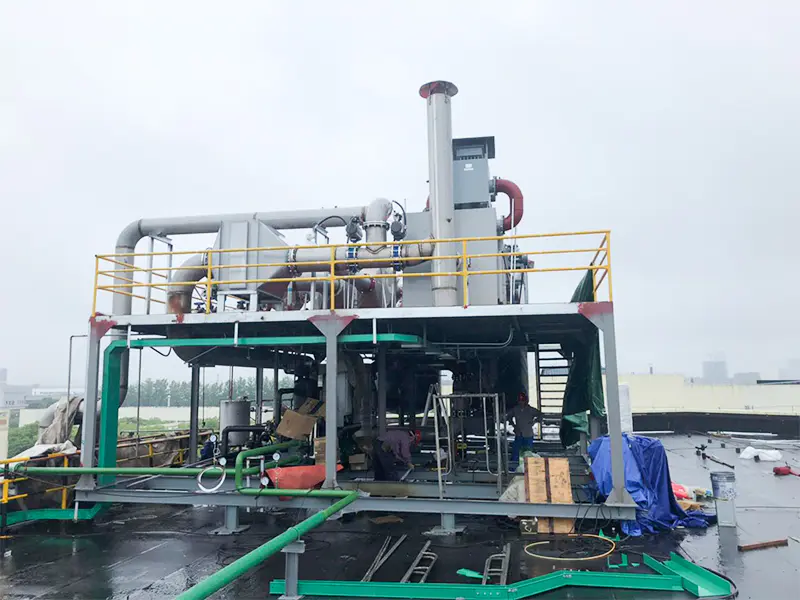
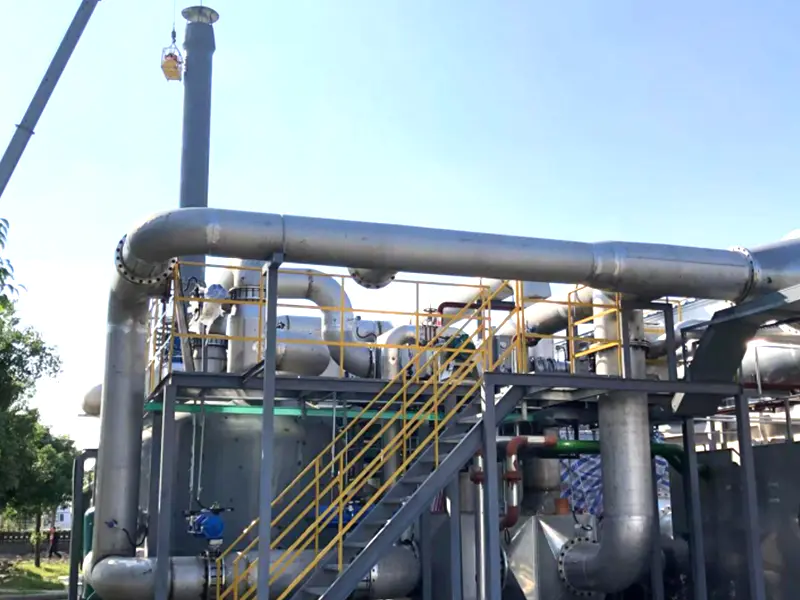
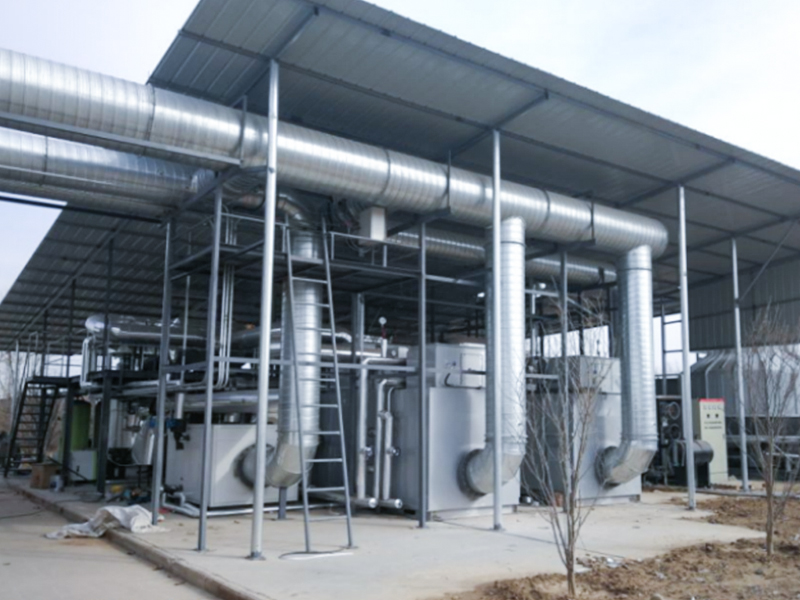
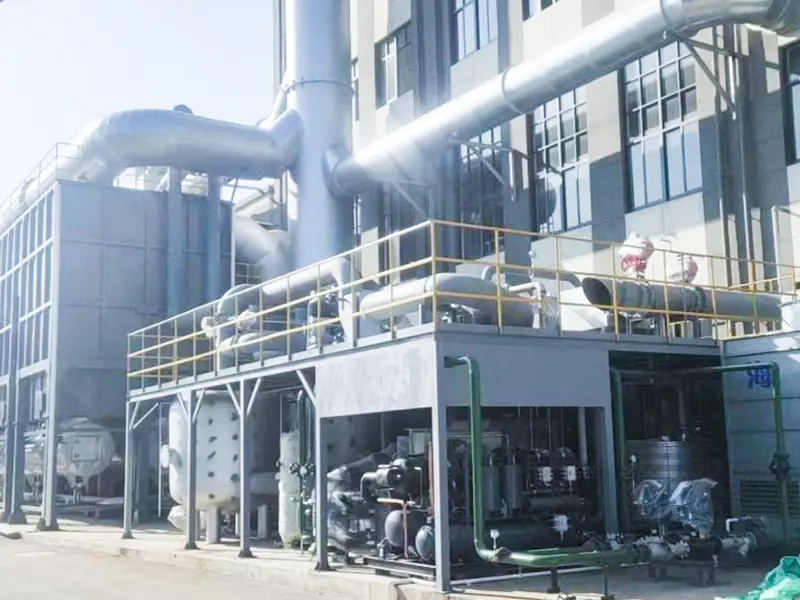
The Functions of Material Coating Film VOC Organic Waste Gas Treatment
Material coating films often contain volatile organic compounds (VOCs), which can be harmful to the environment and human health. Therefore, it is important to treat the organic waste gas generated during the coating process. The primary function of VOC organic waste gas treatment is to remove or reduce the amount of VOCs emitted into the atmosphere.
There are several methods for treating organic waste gas, including adsorption, thermal oxidation, and biofiltration. Adsorption involves using materials that have a high affinity for the VOCs to capture them. Thermal oxidation involves using heat to break down the VOCs into less harmful substances. Biofiltration uses microorganisms to break down the VOCs.
The benefits of treating organic waste gas from material coating films include:
Environmental protection: Reducing the emission of VOCs helps protect the environment and prevent air pollution.
Compliance with regulations: Many countries have regulations on the emission of VOCs from industrial processes, so treating the organic waste gas helps companies comply with these regulations.
Health and safety: VOCs can be harmful to human health, so reducing their emission helps protect workers and the surrounding community.
Improved quality: Treating organic waste gas can improve the quality of the final product by reducing the amount of contaminants in the coating.
Overall, the functions of VOC organic waste gas treatment are to protect the environment, comply with regulations, promote health and safety, and improve product quality.
The Importance of Material Coating Film VOC Organic Waste Gas Treatment
The importance of material coating film VOC (Volatile Organic Compound) organic waste gas treatment is significant for a few reasons:
Environmental Compliance: Many countries have regulations on the emission of VOCs from industrial processes, including the production of material coating films. Treating the waste gas stream is necessary to comply with these regulations and to prevent harm to the environment.
Health and Safety: VOCs are known to be harmful to human health, causing respiratory problems, headaches, and other health issues. Treating the waste gas stream is necessary to protect the health and safety of personnel working in the vicinity of the process.
Product Quality: The presence of VOCs in the waste gas stream can negatively affect the quality of the material coating film being produced. VOCs can cause discoloration, adhesion problems, and other defects in the final product. Treating the waste gas stream can improve the quality of the material coating film.
Cost Savings: Treating the waste gas stream can also lead to cost savings in several ways. By removing VOCs from the gas stream, less material coating film is wasted, which reduces production costs. Additionally, by complying with environmental regulations, companies can avoid fines and penalties, which can be costly.
Overall, the importance of material coating film VOC organic waste gas treatment is critical to ensure environmental compliance, protect the health and safety of personnel, improve product quality, and achieve cost savings. Treating the waste gas stream requires the use of specialized equipment and technologies, such as adsorption systems, scrubbers, or thermal oxidizers, and should be designed and implemented by qualified engineers and technicians.
