


 English
 簡(jiǎn)體中文
Submit feedback
頁banner3-1.jpg)
Systems Engineering Manufacturers
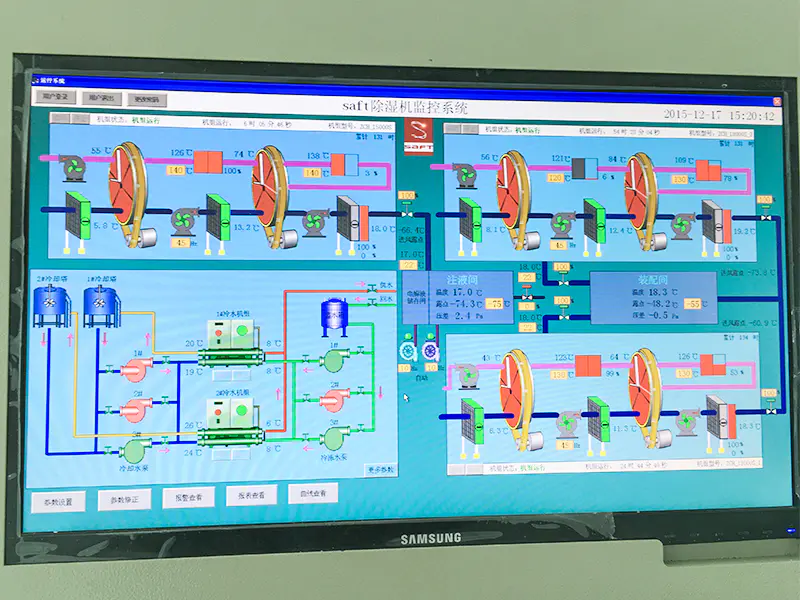
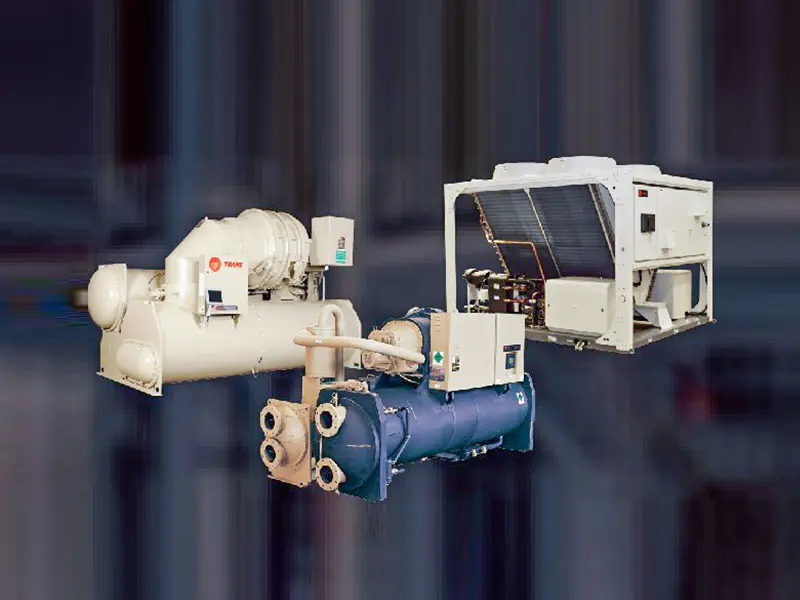
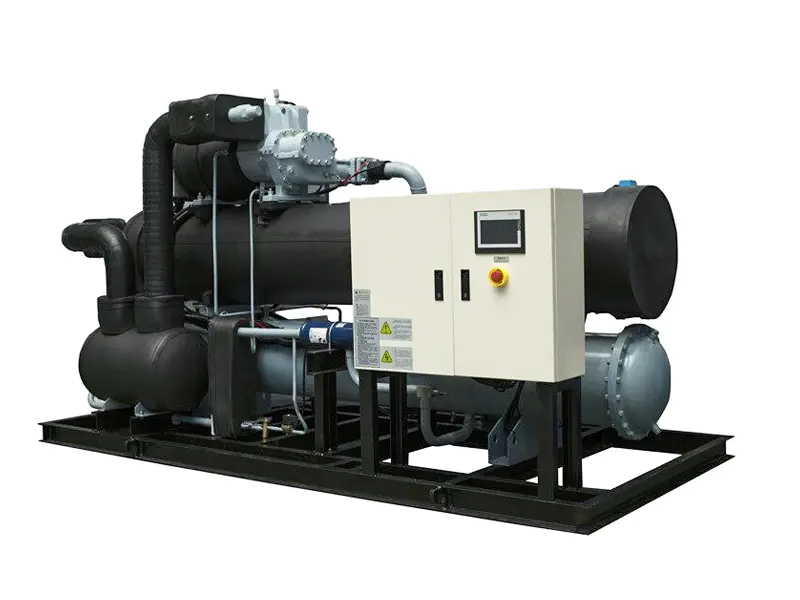
Company Honors
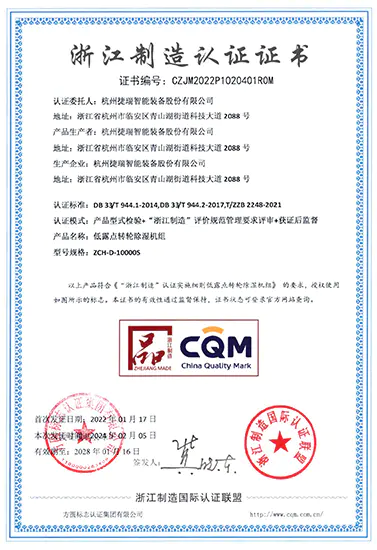
Zhejiang manufacturing certificate
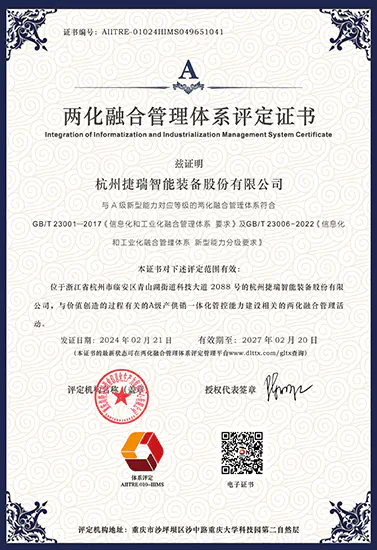
Certificate of Integration of Informatization and Industrialization
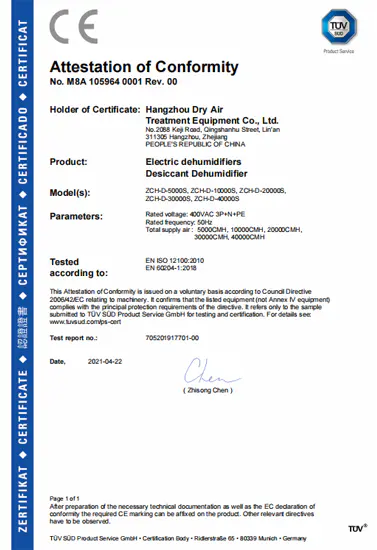
CE Certificate
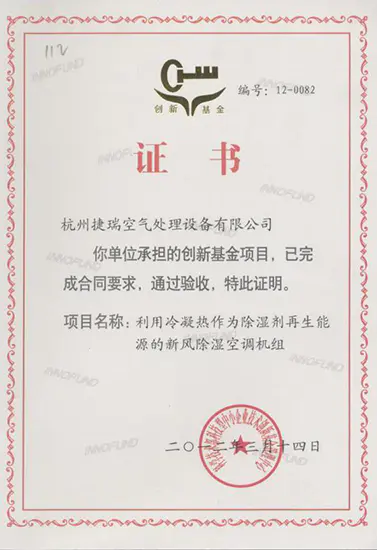
Innovation Fund
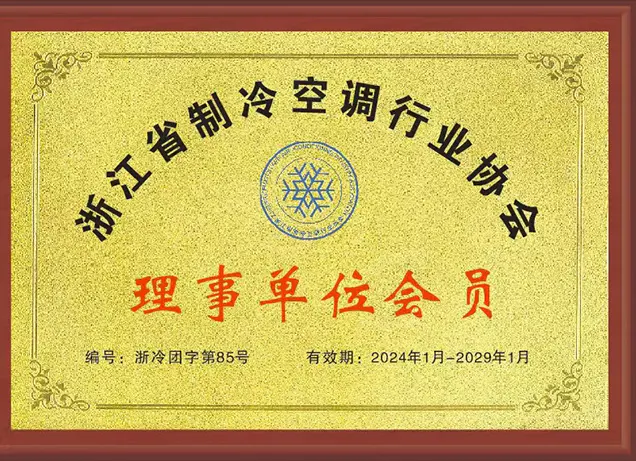
Refrigeration and air conditioning industry governing unit

Specialized and Specialized
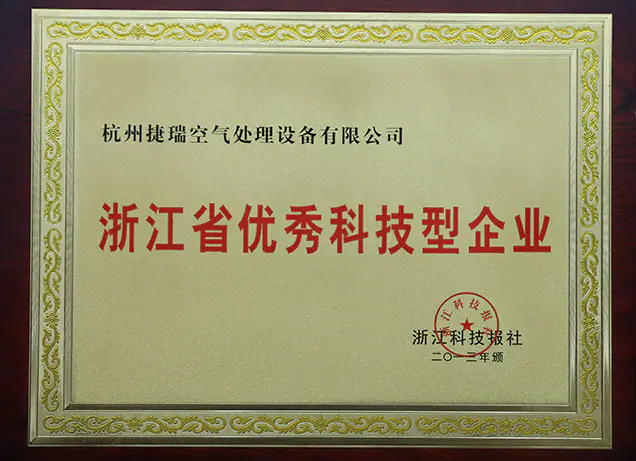
Excellent Science and Technology Enterprise of Zhejiang Province
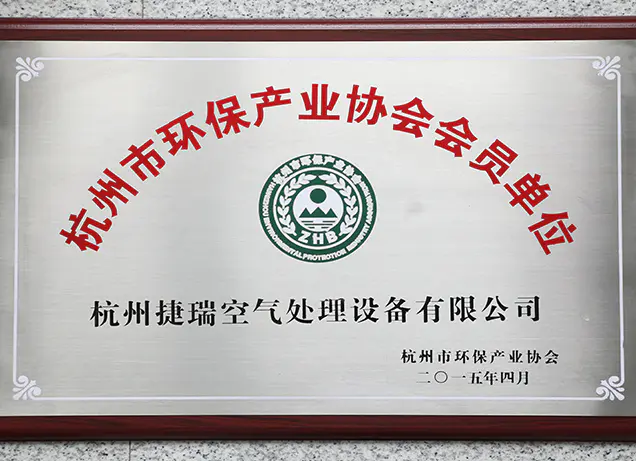
Member of Hangzhou Environmental Protection Industry Association

Excellent cooperation unit

ZJU Cooperation
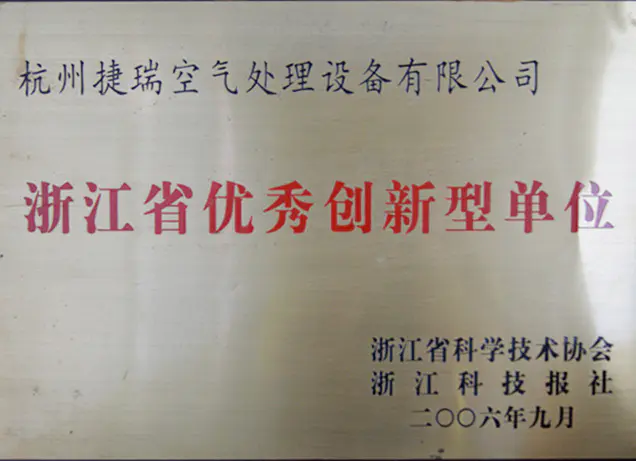
Outstanding Innovation Unit
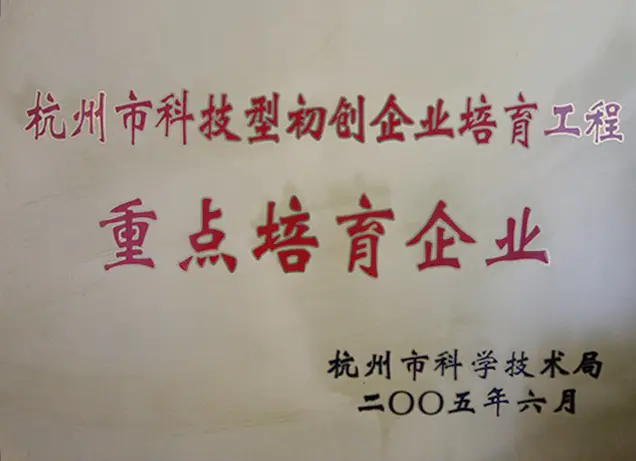
Key Incubatees


-
Why Pharmaceutical Dehumidification Dry Rooms Are Essential for High-Precision Drug Manufacturing
In modern pharmaceutical production, humidity control is critical. Pharmaceutical dehumidification dry rooms?are indispensable for handling moisture-sensitive materials such as API...
2025-12-02 -
Innovative VOC Waste Gas Treatment Solutions for Cleaner Industrial Operations
VOCs remain one of the most serious environmental challenges in industrial production. Whether in petrochemical plants, coating lines, printing plants, or pharmaceutical workshops,...
2025-11-24 -
Achieving Ultra-Dry Environments with Advanced Low Dew Point Desiccant Dehumidifiers
In industries where product quality, safety, and reliability are highly dependent on environmental stability, maintaining ultra-low humidity has become a critical requirement. Adva...
2025-11-18 -
Humidity Control in Lithium Battery Dry Rooms: The Key to Longer Battery Life
As global markets continue to grow for electric vehicles, energy storage systems, and portable electronics, the quality and safety of lithium battery production are more important ...
2025-11-11 -
Enhancing Paint Quality with Advanced Automotive Coating Dry Room Systems
In modern automotive manufacturing, achieving a flawless, glossy finish is not just about aesthetics, but also about performance, durability, and brand reputation. From paint compo...
2025-11-04
 View All
What is Systems Engineering?
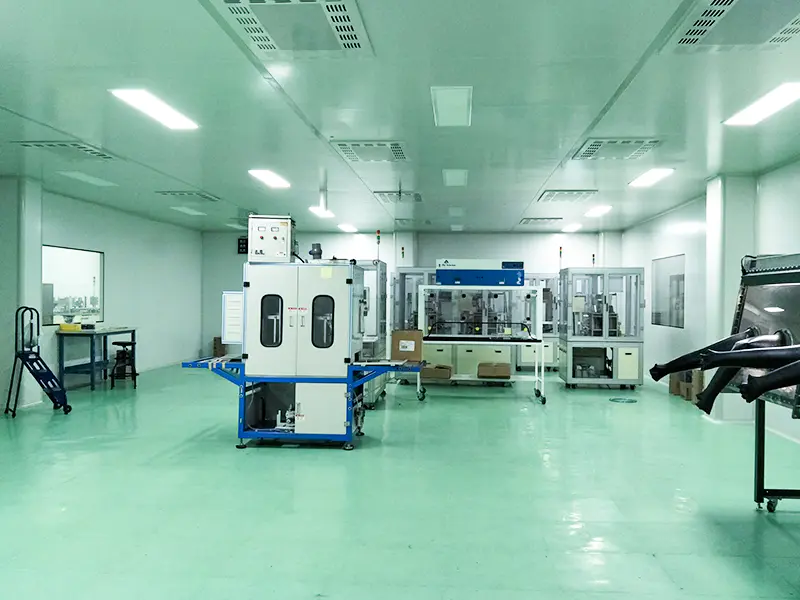
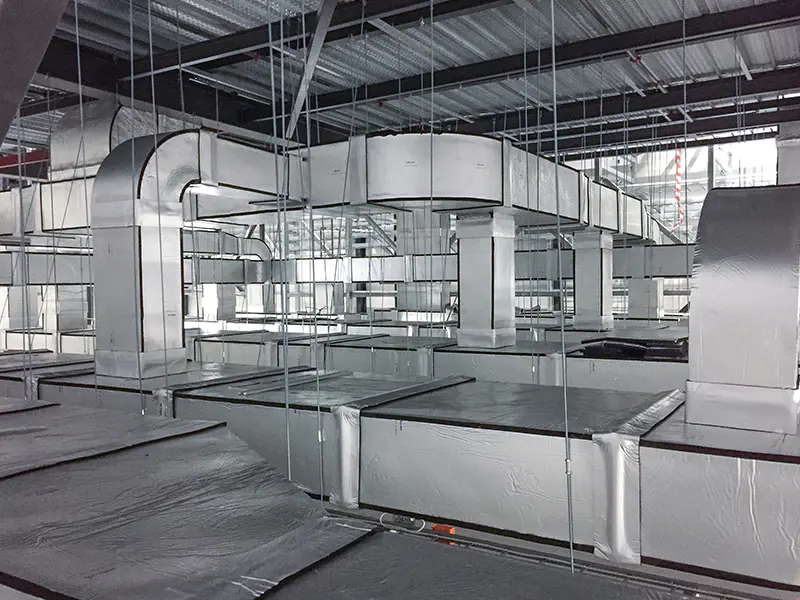
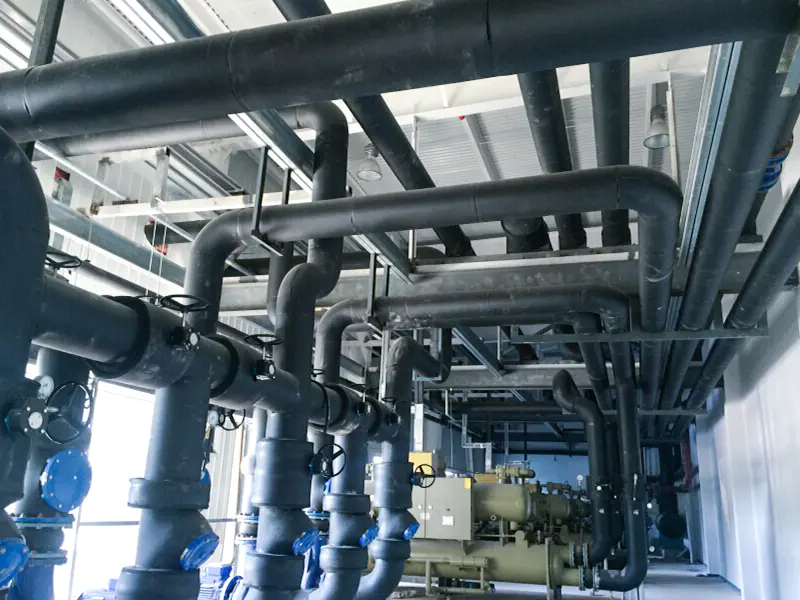
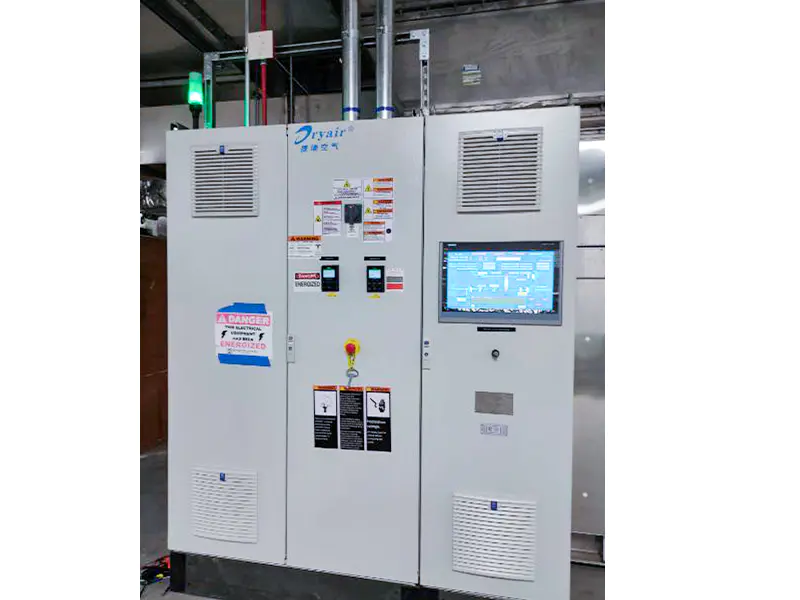
Systems engineering is an interdisciplinary approach to the design, development, and operation of complex systems. It involves the use of engineering principles, techniques, and methods to create and manage systems that integrate people, processes, and technology to meet specific needs and requirements.
Systems engineering typically involves the following activities:
Requirements Analysis: This involves identifying the needs and requirements of stakeholders for a specific system.
Design: Based on the requirements, a system design is created that defines the structure, components, and functions of the system.
Implementation: The design is then implemented, and the system is built, tested, and integrated with other systems as required.
Verification and Validation: This involves testing and verifying that the system meets the requirements and functions as intended.
Operation and Maintenance: The system is then operated and maintained over its lifecycle to ensure that it continues to function as intended and meets changing needs and requirements.
Systems engineering can be applied to a wide range of systems, including software systems, mechanical systems, electrical systems, and complex systems that integrate multiple technologies and disciplines. The goal of systems engineering is to create systems that are reliable, efficient, and effective, while meeting the needs and requirements of stakeholders. It is often used in industries such as aerospace, defense, healthcare, and transportation, where complex systems are critical to operations and safety.
The Application of Systems Engineering
Systems engineering is a versatile approach that can be applied to a wide range of industries and applications. Here are some examples of the application of systems engineering:
Aerospace: Systems engineering is widely used in the aerospace industry to design and develop aircraft, spacecraft, and other complex systems. It involves integrating multiple disciplines, including mechanical engineering, electrical engineering, and computer science, to create safe and reliable systems.
Defense: Systems engineering is also used extensively in the defense industry to develop military systems and weapons. This includes everything from designing and building military vehicles to developing complex communication systems.
Healthcare: Systems engineering is increasingly being applied in healthcare to improve patient outcomes and reduce costs. This involves optimizing processes, improving communication between healthcare providers and patients, and developing new medical devices and technologies.
Transportation: Systems engineering is used to design and develop transportation systems, such as trains, planes, and automobiles. It involves integrating multiple technologies and disciplines to create efficient, safe, and reliable transportation systems.
Energy: Systems engineering is used in the energy industry to design and develop renewable energy systems, such as wind and solar power. It also plays a role in developing energy-efficient buildings and optimizing energy distribution systems.
Overall, systems engineering is a valuable approach that can be applied to many different industries and applications. Its versatility and interdisciplinary nature make it an effective way to design and develop complex systems that meet the needs and requirements of stakeholders.
