


 English
 簡體中文
簡體中文Submit feedback
頁banner2-1.jpg)
Lithium Battery NMP Recovery Unit Suppliers
Company Honors
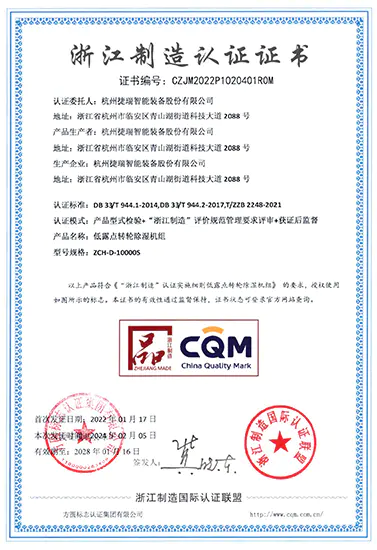
Zhejiang manufacturing certificate
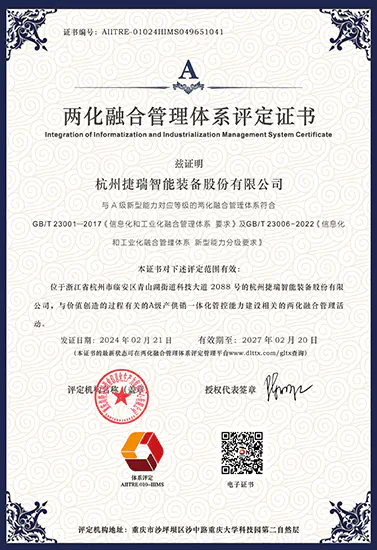
Certificate of Integration of Informatization and Industrialization
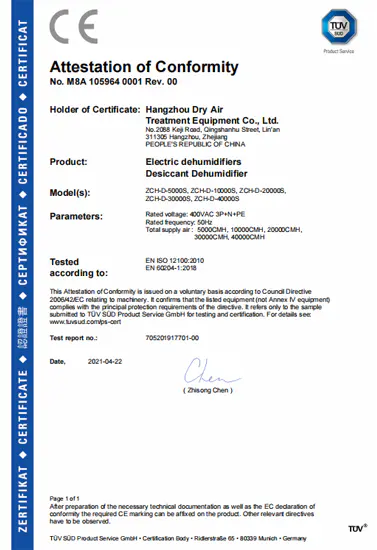
CE Certificate
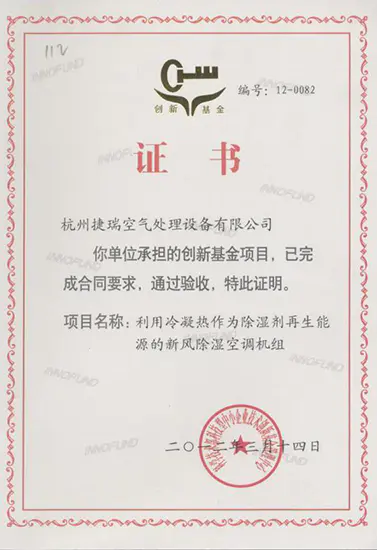
Innovation Fund
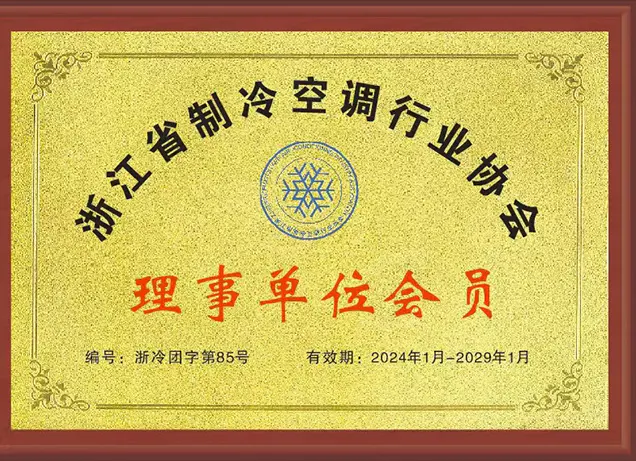
Refrigeration and air conditioning industry governing unit

Specialized and Specialized
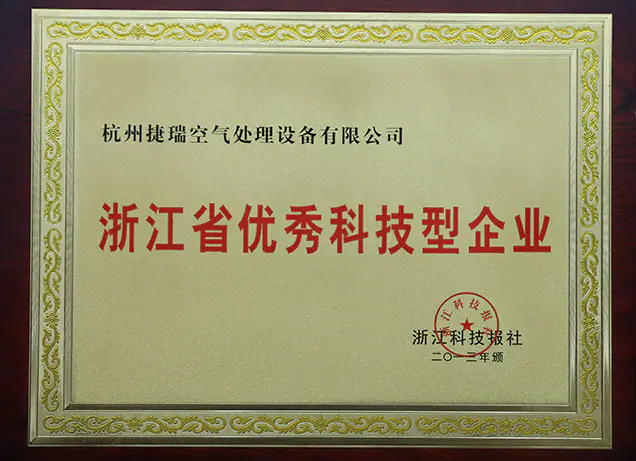
Excellent Science and Technology Enterprise of Zhejiang Province
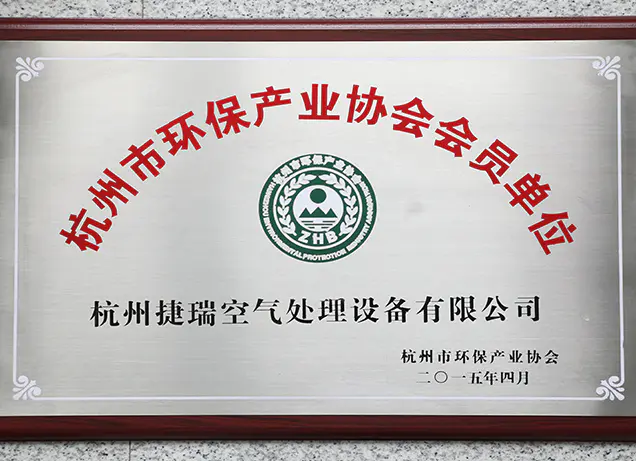
Member of Hangzhou Environmental Protection Industry Association
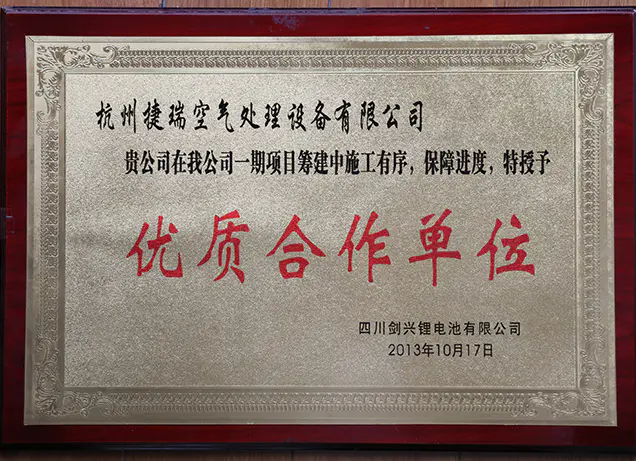
Excellent cooperation unit
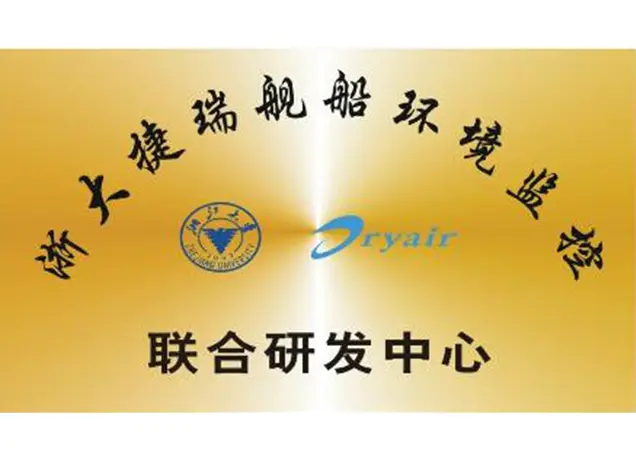
ZJU Cooperation
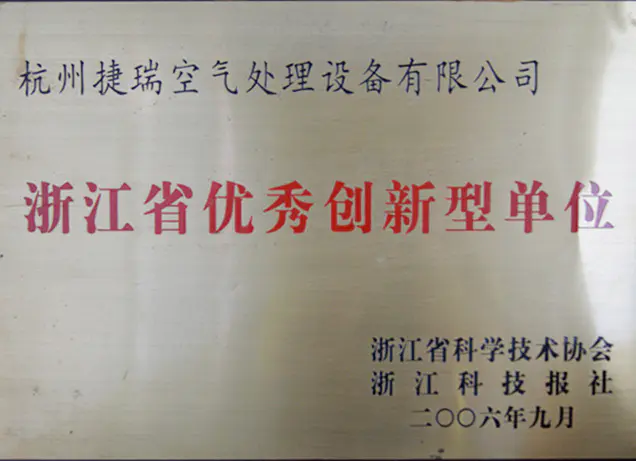
Outstanding Innovation Unit
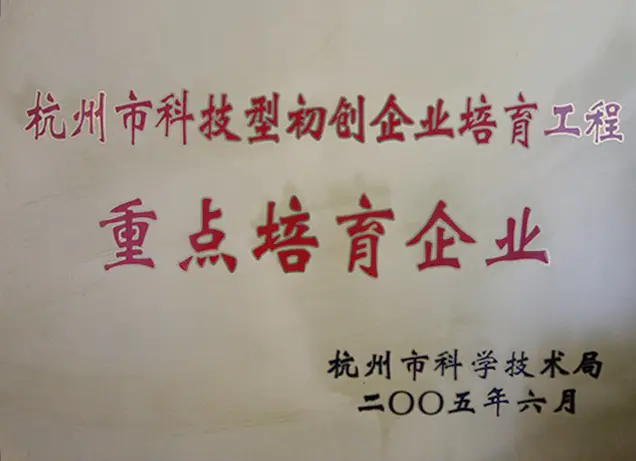
Key Incubatees

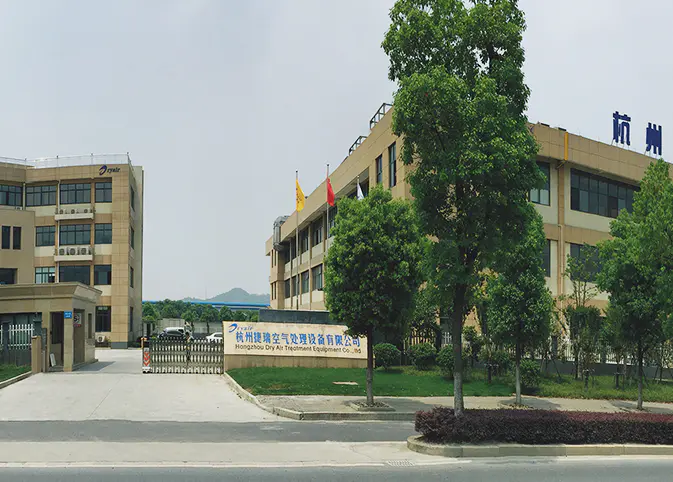

-
Why Pharmaceutical Dehumidification Dry Rooms Are Essential for High-Precision Drug Manufacturing
In modern pharmaceutical production, humidity control is critical. Pharmaceutical dehumidification dry rooms?are indispensable for handling moisture-sensitive materials such as API...
2025-12-02 -
Innovative VOC Waste Gas Treatment Solutions for Cleaner Industrial Operations
VOCs remain one of the most serious environmental challenges in industrial production. Whether in petrochemical plants, coating lines, printing plants, or pharmaceutical workshops,...
2025-11-24 -
Achieving Ultra-Dry Environments with Advanced Low Dew Point Desiccant Dehumidifiers
In industries where product quality, safety, and reliability are highly dependent on environmental stability, maintaining ultra-low humidity has become a critical requirement. Adva...
2025-11-18 -
Humidity Control in Lithium Battery Dry Rooms: The Key to Longer Battery Life
As global markets continue to grow for electric vehicles, energy storage systems, and portable electronics, the quality and safety of lithium battery production are more important ...
2025-11-11 -
Enhancing Paint Quality with Advanced Automotive Coating Dry Room Systems
In modern automotive manufacturing, achieving a flawless, glossy finish is not just about aesthetics, but also about performance, durability, and brand reputation. From paint compo...
2025-11-04
 View All
How to Install Lithium Battery NMP Recovery Unit?
Installing a Lithium Battery NMP (N-Methyl-2-pyrrolidone) Recovery Unit can be a complex process that requires technical knowledge and expertise. It is important to follow the manufacturer's instructions and guidelines for installation to ensure the unit operates safely and efficiently.
Here are some general steps to follow for installing a Lithium Battery NMP Recovery Unit:
Choose a suitable location for the unit: The location should be well-ventilated, dry, and away from any sources of heat or ignition.
Mount the unit: The unit should be mounted securely to a stable surface using the appropriate mounting hardware. The mounting surface should be able to support the weight of the unit and any associated components.
Connect the power supply: Connect the power supply to the unit according to the manufacturer's instructions. Make sure the power supply is compatible with the unit's voltage and current requirements.
Install the plumbing: Install the plumbing according to the manufacturer's instructions. This typically involves connecting hoses and fittings to the unit and the battery system. Use appropriate plumbing techniques and materials to ensure a secure and leak-free connection.
Configure the unit: Configure the unit according to the manufacturer's instructions. This may involve setting operating parameters and calibrating sensors.
Test the unit: Test the unit to ensure it is operating properly. This may involve running a test cycle with a sample battery system or performing a leak test on the plumbing.
Monitor and maintain the unit: Monitor the unit regularly to ensure it is operating correctly and perform any necessary maintenance as recommended by the manufacturer.
It is important to note that the installation process may vary depending on the specific Lithium Battery NMP Recovery Unit being installed. Always refer to the manufacturer's instructions and guidelines for detailed installation instructions and safety precautions. If you are unsure about any aspect of the installation process, consult a qualified professional or contact the manufacturer for assistance.
The Structure of Lithium Battery NMP Recovery Unit
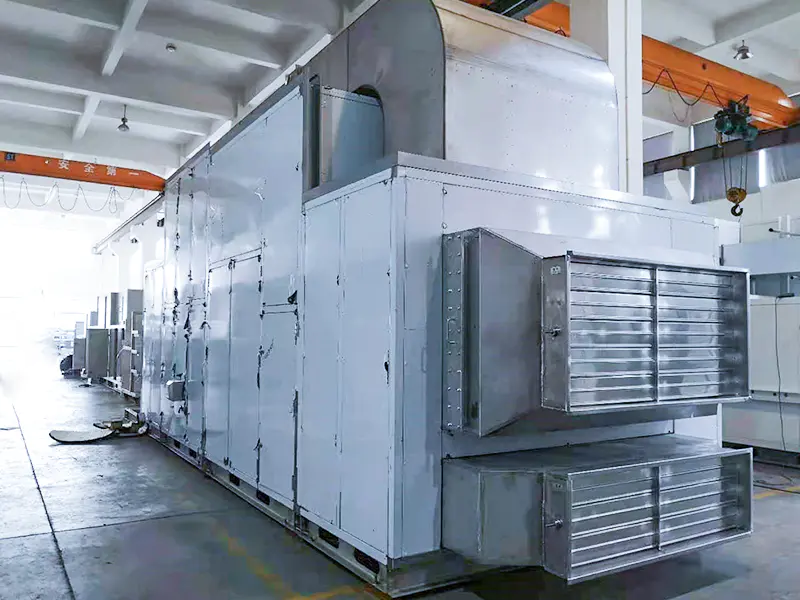
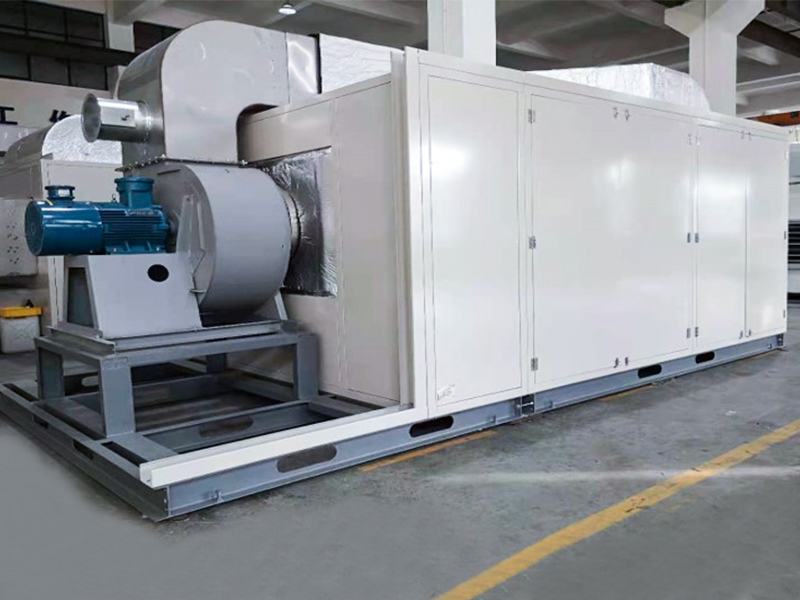
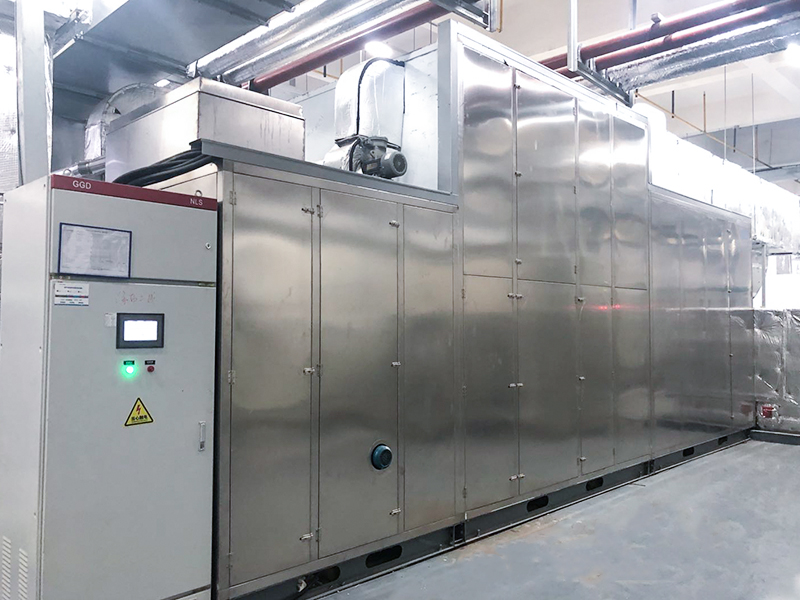
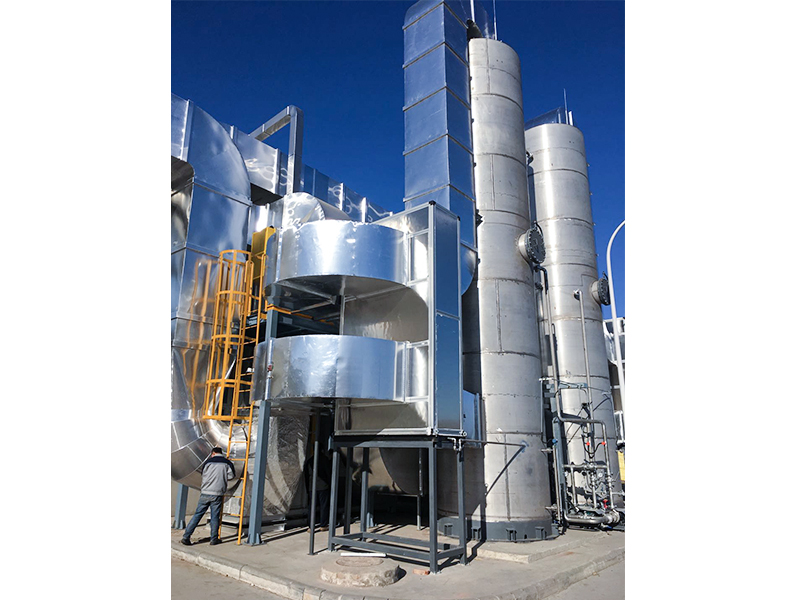
A lithium battery NMP (N-Methyl-2-pyrrolidone) recovery unit is designed to reclaim and purify NMP solvent used in the manufacturing process of lithium-ion batteries. The unit typically consists of several key components, including:
Distillation Column: The distillation column is the main component of the NMP recovery unit. It is used to separate the NMP solvent from the impurities and other by-products. The column typically consists of a series of trays or packing material to provide maximum surface area for the separation of NMP from impurities.
Heat Exchanger: The heat exchanger is used to control the temperature of the NMP solvent as it passes through the distillation column. The heat exchanger is typically connected to a cooling tower or chiller to remove the heat generated during the distillation process.
Condenser: The condenser is used to condense the NMP vapors into liquid form as they are released from the distillation column. The condenser typically consists of a series of tubes or plates that provide maximum surface area for efficient cooling.
Reboiler: The reboiler is used to provide heat to the distillation column to facilitate the separation of NMP from impurities. The reboiler typically consists of a heating coil or steam jacket that surrounds the bottom of the distillation column.
NMP Storage Tank: The NMP storage tank is used to store the purified NMP solvent once it has been separated from the impurities. The tank is typically made of stainless steel and is equipped with level sensors, temperature sensors, and pressure sensors to monitor the NMP storage conditions.
Control System: The control system is used to monitor and control the entire NMP recovery unit. It typically consists of a programmable logic controller (PLC) and human-machine interface (HMI) that allow operators to monitor the process and adjust the operating parameters as necessary.
Overall, the lithium battery NMP recovery unit is an essential component of the lithium-ion battery manufacturing process, as it allows manufacturers to recycle and reuse NMP solvent, reducing waste and improving the efficiency of the production process.
